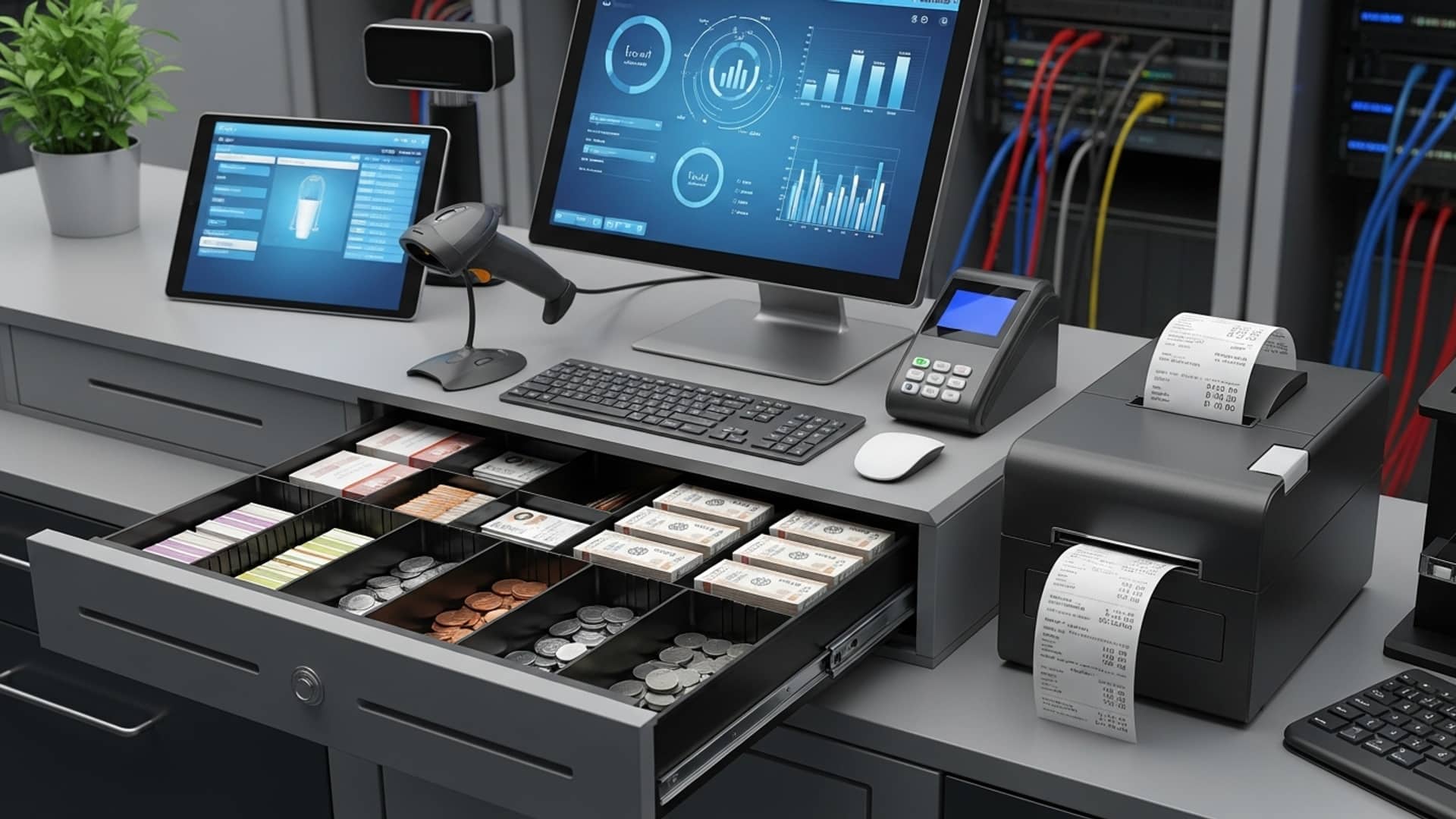
The modern commercial landscape demands unparalleled efficiency and seamless customer interactions, making rapid transaction processing non-negotiable for any successful operation. Deploying an advanced touchscreen POS system has become a pivotal strategy for businesses aiming to redefine service speed and operational fluidity. This intuitive POS machine leverages cutting-edge interface design to significantly reduce training times and streamline complex workflows, moving beyond mere transaction logging to offer integrated solutions for inventory, customer management. rapid order fulfillment. Its responsive interface and graphical layouts enable quick item selection and precise order modifications, directly translating into faster service and an elevated customer experience, a crucial differentiator in today’s competitive market.

Blazing Fast Transaction Speeds
In today’s fast-paced retail and hospitality environments, every second counts. Implementing a modern touchscreen POS system is a game-changer for accelerating service delivery. Traditional point-of-sale setups, often reliant on cumbersome keypads or intricate mouse navigation, can slow down critical checkout processes. A touchscreen interface, But, allows staff to input orders and process payments with remarkable speed and efficiency.
Consider a busy coffee shop during the morning rush. With a traditional system, a barista might spend valuable seconds navigating menus, typing in specific modifiers. confirming selections. A well-designed touchscreen POS, on the other hand, presents a clear, intuitive graphical interface with large, tappable buttons for items, modifiers. payment options. This direct interaction drastically cuts down the time per transaction. For instance, a study by NCR Corporation highlighted that businesses using modern POS solutions can see transaction times reduced by up to 30%, which directly translates to shorter queues and happier customers.
- Rapid Order Entry
- Faster Payment Processing
- Reduced Queue Times
Visually driven menus allow for quick selection of items and modifiers with a simple tap.
Integrated payment options, from contactless to mobile wallets, are often just a tap away.
The cumulative effect of faster transactions means customers spend less time waiting, enhancing their overall experience.
Enhanced Order Accuracy & Reduced Errors
Mistakes in order entry can be costly, leading to wasted inventory, dissatisfied customers. even refunds. A significant benefit of upgrading to a touchscreen POS system is the dramatic improvement in order accuracy. The visual and intuitive nature of these systems minimizes the potential for human error inherent in manual entry or complex code-based systems.
Imagine a restaurant server taking a complex order with multiple substitutions and special requests. On a traditional keyboard-based system, a mistyped code or forgotten modifier is a common occurrence. With a touchscreen, the server can visually select each item, see all available modifiers (e. g. , “no onions,” “extra cheese,” “gluten-free bun”). even confirm the order summary on-screen with the customer before sending it to the kitchen. This visual confirmation loop is incredibly powerful. According to industry reports, businesses utilizing intuitive touchscreen interfaces typically experience a 15-20% reduction in order-related errors compared to less visual systems, directly impacting profitability and customer satisfaction.
- Visual Menus
- Mandatory Modifiers
- Real-time Order Review
Clear images and descriptions of products reduce ambiguity during order taking.
Systems can prompt staff for necessary choices (e. g. , “how would you like your steak cooked?”) , preventing incomplete orders.
Employees and customers can quickly verify orders on screen before finalization.
To illustrate the difference, consider the input methods:
| Feature | Traditional Keypad POS | Touchscreen POS System |
|---|---|---|
| Order Input | Manual typing of codes or item names; navigation via arrow keys. | Direct tapping on visual menu items and modifiers. |
| Modifier Selection | Often requires memorized codes or multiple menu levels. | All options displayed clearly, easily tappable. |
| Error Rate Potential | Higher due to mistypes, forgotten codes, or misinterpretations. | Lower due to visual confirmation and guided input. |
Streamlined Staff Training & User Adoption
One of the often-overlooked advantages of a touchscreen interface is its inherent familiarity. Most new employees, particularly young adults (18-24) and even many older adults (25-64), are accustomed to interacting with smartphones and tablets. This pervasive familiarity makes learning a new touchscreen POS system significantly easier and faster than traditional, button-heavy machines.
A personal anecdote from a restaurant owner, Maria, highlights this point: “When we switched from our old button-based POS to a modern touchscreen, our training time for new hires dropped from a full week to just a couple of days for basic operations. They picked it up so quickly because it felt just like using an oversized tablet. This meant our new staff could contribute effectively much sooner, reducing our initial labor costs and stress during onboarding.” This rapid adoption directly translates to a more productive workforce and less downtime associated with training.
- Intuitive Interface
- Reduced Training Costs
- Lower Error Rates for New Staff
Mimics familiar smartphone and tablet navigation, reducing the learning curve.
Less time spent on training means staff become productive faster.
The guided, visual nature prevents many common mistakes made by inexperienced users.
Integrated Inventory & Reporting Capabilities
Beyond speeding up transactions and improving accuracy, a robust touchscreen POS system serves as the central nervous system for many business operations. Modern systems are not just cash registers; they are powerful data collection and management hubs. This integration is crucial for maintaining optimal inventory levels, understanding sales trends. making informed business decisions.
When an item is sold through the touchscreen POS, the system can automatically update inventory counts in real-time. This eliminates the need for manual stock checks and drastically reduces discrepancies. For a retail store, knowing exactly how many units of a popular item are left can prevent stockouts and missed sales opportunities. For a restaurant, real-time inventory helps manage food costs and identifies popular or slow-moving dishes. Moreover, these systems generate detailed reports on sales performance, employee productivity, peak hours. more. This data, presented in easily digestible formats, empowers business owners to optimize staffing, adjust purchasing strategies. tailor marketing efforts. The transparency and actionable insights provided are invaluable for growth.
- Real-time Inventory Tracking
- Comprehensive Sales Reporting
- Employee Performance Monitoring
Automatic updates as sales occur, preventing stockouts and overstocking.
Detailed insights into product performance, peak sales times. customer preferences.
Track sales by individual staff members to identify training needs or reward top performers.
Improved Customer Experience & Loyalty
Ultimately, all the benefits of a touchscreen POS system converge on one critical outcome: a superior customer experience. Faster service, accurate orders. efficient operations don’t just benefit the business; they create a more pleasant and memorable interaction for the customer, fostering loyalty and encouraging repeat business.
When customers experience quick, error-free service, it builds trust and satisfaction. The ability to quickly process orders means less waiting, which is a key factor in customer satisfaction across industries, from quick-service restaurants to boutique retail. Moreover, some advanced touchscreen POS systems allow for customer-facing displays, enabling them to view their order, see promotions, or even sign for credit card transactions directly. This transparency and involvement can enhance their perception of modernity and efficiency. A positive, seamless checkout experience leaves a lasting impression, turning first-time visitors into loyal patrons. As business expert Shep Hyken frequently emphasizes, “Customer service is not a department, it’s everyone’s job.” A modern POS machine is a vital tool in empowering every employee to deliver on that promise.
- Faster Service
- Order Accuracy
- Modern Perception
- Personalized Interactions
Reduced wait times directly correlate with higher customer satisfaction.
Customers receive exactly what they ordered, minimizing frustration and the need for corrections.
A sleek, efficient touchscreen POS system projects a professional and up-to-date image of your business.
With faster transaction times, staff have more opportunity to engage with customers meaningfully.
Conclusion
Embracing a touchscreen POS system isn’t merely an upgrade; it’s a strategic move towards operational excellence, fundamentally transforming how you serve your customers. Beyond the obvious speed benefits, the intuitive interface significantly reduces training time for new hires, minimizing errors and fostering a smoother workflow. From my own observations in bustling local eateries, the shift to a touchscreen often translates into shorter queues and visibly happier staff, reflecting a business that truly values efficiency and a modern customer experience. In today’s competitive landscape, where consumers expect seamless, swift transactions – a trend only amplified by recent demands for contactless interactions – investing in a cutting-edge POS isn’t just about faster service; it’s about future-proofing your business. Don’t just consider the immediate gains; envision the ripple effect of increased customer satisfaction and boosted employee morale. Take the step to explore the options available; your business, your team. your customers will undoubtedly thank you for it.
More Articles
5 Key Benefits of Upgrading Your Business with a Modern POS Terminal Device
8 Powerful Ways a POS Machine for Retail Boosts Your Store’s Sales
Discover 10 Key Benefits Of Modern POS Hardware Solutions
7 Essential POS Hardware Components Every Modern Business Needs to Thrive

FAQs
How does a touchscreen POS actually speed up service?
Touchscreen POS systems make transactions super quick because staff can tap items and options directly on the screen. It’s much faster than typing or looking up codes, getting customers through the line in a flash.
Is it hard for my staff to learn how to use a touchscreen POS?
Not at all! They’re designed to be really intuitive, much like a smartphone or tablet. New employees usually pick it up very quickly, which means less training time and they can start serving customers faster.
Will a touchscreen POS help us avoid order mistakes?
Absolutely. By tapping specific items and modifiers, there’s less room for human error compared to handwritten orders or complex button sequences. This means customers get exactly what they ordered, reducing rework and speeding things up.
How does this system make checkout smoother for customers?
Many touchscreen POS systems come with integrated payment processing. This means customers can often tap, swipe, or insert their card directly at the terminal, speeding up the payment step and making the whole checkout process feel much more modern and efficient.
What if a customer has a really custom order? Can a touchscreen POS handle that quickly?
Yes, definitely! Touchscreen systems are great for custom orders. Staff can quickly add notes, select modifiers like ‘no onions’ or ‘extra cheese,’ and adjust quantities with just a few taps, ensuring accuracy without slowing down the line.
How easy is it to update menu items or prices?
It’s super simple. You can usually make changes to your menu, add new items, or adjust prices in real-time with just a few clicks or taps on the system’s backend. This flexibility means your staff always has the most current insights, preventing delays at the register.
Beyond just speed, what’s the big picture benefit for our operations?
The biggest benefit is a much smoother workflow from start to finish. Faster order taking, fewer errors, quicker payments. easier staff training all add up to a more efficient operation. This translates directly into happier customers and a more productive team.