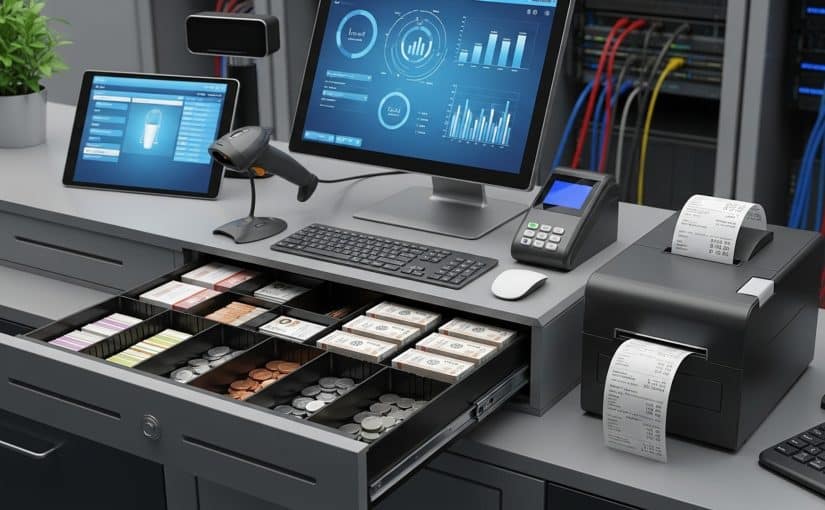
Even as digital payments surge, the often-overlooked efficiency of your POS cash drawer and printer hardware dictates the pace and professionalism of every physical transaction, directly impacting customer experience and operational fluidity. A sticky cash drawer or a sluggish thermal printer, for instance, can introduce significant friction, directly impacting checkout times and frustrating customers already accustomed to tap-and-go speeds. Modern businesses are leveraging advancements in connectivity, like Ethernet-enabled printers for network stability. intelligent cash management systems that integrate seamlessly with cloud POS platforms. Optimizing these crucial touchpoints prevents bottlenecks, reduces human error in cash handling. ensures smooth transaction closures, transforming what could be a point of delay into a pillar of efficient service delivery.
Understanding Your POS Cash Drawer and Printer Ecosystem
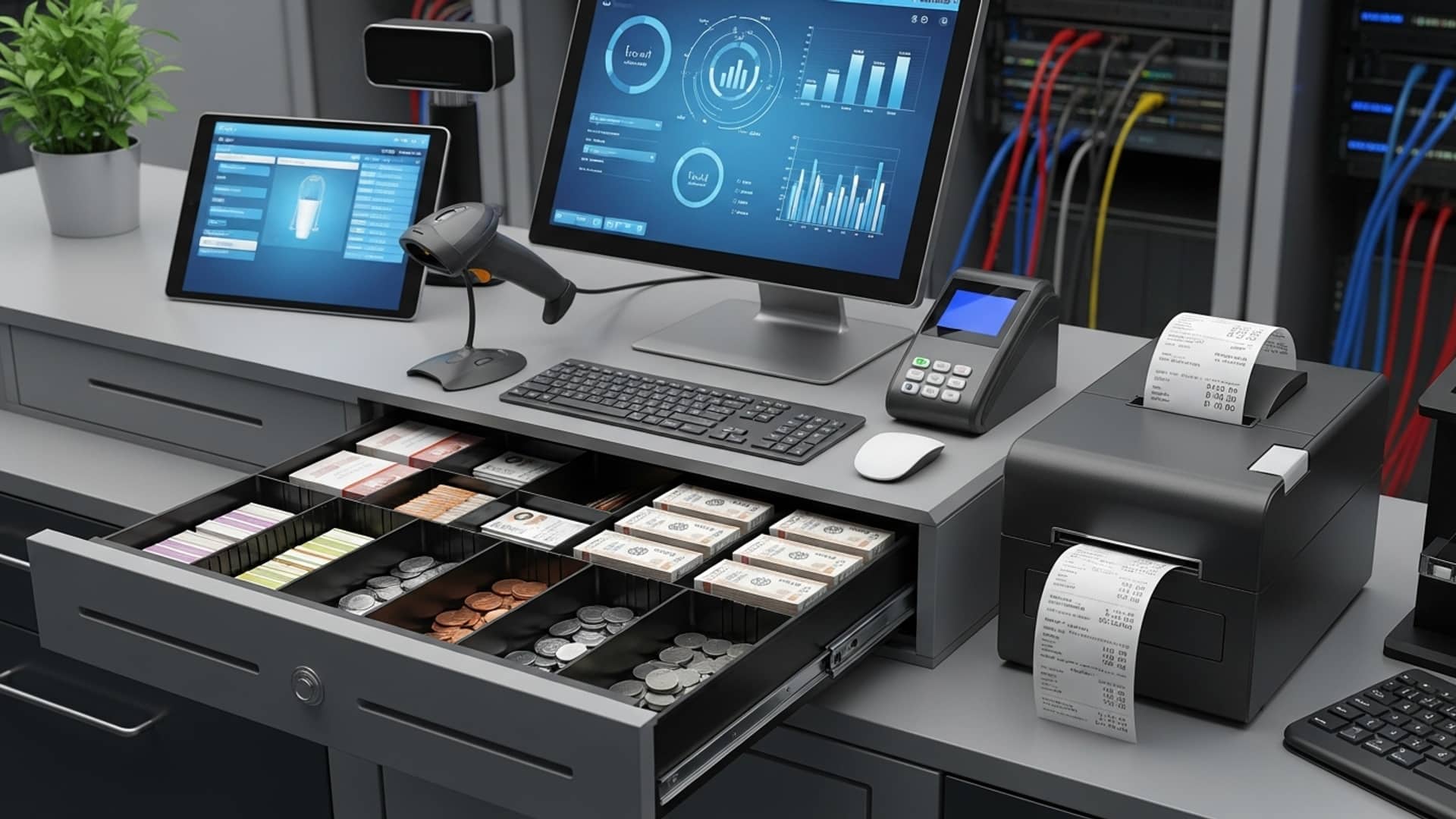
In the fast-paced world of retail and hospitality, the efficiency of your Point-of-Sale (POS) system is paramount. At its core, beyond the sleek touchscreens and robust software, lies the critical duo: the POS cash drawer and printer. These aren’t just peripheral devices; they are the physical touchpoints of every transaction, directly impacting customer experience, operational speed. financial accuracy.
A POS cash drawer is a secure compartment designed to store cash and other payment tenders at the point of sale. Modern cash drawers are typically integrated with the POS system, opening automatically upon a cash transaction or when a specific command is sent. They often feature multiple compartments for different denominations of bills and coins, along with a separate slot for checks, receipts, or larger bills. Key features include robust construction, secure locking mechanisms. electronic interfaces (like RJ11 or USB) for connection to the POS printer or directly to the POS terminal.
The POS printer, on the other hand, is responsible for generating customer receipts, order tickets, kitchen orders. other transactional documents. The two main types are:
- Thermal Printers
- Impact Printers (Dot Matrix)
These are the most common in modern POS environments. They use heat to react with specially coated thermal paper, creating text and images without the need for ink or toner. They are fast, quiet. low-maintenance.
Less common for receipts but still used for applications requiring multiple copies (e. g. , kitchen orders with carbon copies). They use a print head with pins that strike an ink ribbon against paper. They are noisier and slower but can handle multi-part forms.
The seamless interaction between the POS cash drawer and printer is fundamental. Typically, the printer acts as an intermediary, receiving commands from the POS software and, upon printing a receipt, sending a signal to the cash drawer to open. Optimizing these components isn’t just about speed; it’s about reliability, security. ensuring every transaction is smooth and error-free.
1. Strategic Placement and Ergonomic Setup
The physical arrangement of your POS cash drawer and printer profoundly impacts operational flow and employee comfort. An optimized setup can shave seconds off each transaction, which accumulates into significant time savings over a day or week. Consider the following:
- Accessibility
- Visibility
- Printer Proximity
- Cable Management
- Environmental Factors
The POS cash drawer should be within easy reach of the cashier, minimizing unnecessary movement. This reduces strain and speeds up cash handling. For instance, placing the drawer slightly below counter level allows for a more natural arm movement when opening and closing.
While accessible, the cash drawer should ideally be out of direct customer line of sight from a security perspective, yet still visible to the cashier to prevent “cash skimming.”
The POS printer should be close enough to the drawer to allow for short cable runs. also positioned so that printed receipts are easily accessible for the cashier to hand to the customer. Avoid placing the printer where its paper output can be easily blocked or where thermal receipts might be exposed to direct sunlight or heat, which can fade the print.
Untidy cables are a tripping hazard, look unprofessional. can lead to accidental disconnections. Utilize cable ties, cable sleeves, or integrated cable management features in your counter design to keep all cables for the POS cash drawer and printer organized and secure. This also simplifies troubleshooting.
Ensure the setup avoids areas prone to excessive heat, humidity, dust, or direct sunlight, which can degrade electronics and printer paper quality over time. For example, placing a thermal printer too close to a heat vent can cause premature fading of receipts.
A busy coffee shop, noticing long queues during peak hours, redesigned its counter. They lowered the POS cash drawer into a dedicated slot under the counter, making it easily accessible without bending. mounted the thermal printer to the side, ensuring receipts were printed directly into the cashier’s hand. This small change reduced average transaction time by 5 seconds, significantly improving customer throughput during morning rushes.
2. Implementing a Robust Maintenance Schedule
Preventative maintenance is the cornerstone of reliability for any hardware, especially for frequently used devices like your POS cash drawer and printer. Ignoring maintenance can lead to unexpected downtime, costly repairs. frustrated customers.
- Cash Drawer Cleaning
- Printer Head Cleaning (Thermal)
- Impact Printer Maintenance
- Paper Path Inspection
- Connection Checks
Regularly wipe down the interior and exterior of the cash drawer to remove dust, dirt. debris. Small particles can accumulate in the drawer rails or locking mechanism, causing sticking or faulty opening. Pay attention to the coin and bill compartments, which can gather foreign objects.
Thermal print heads can accumulate residue from the thermal paper, leading to faded or incomplete prints. Most thermal printers have a recommended cleaning procedure, often involving a special cleaning pen or card. Aim to clean the print head weekly or bi-weekly, depending on usage volume. For example, a common cleaning method involves using an alcohol-soaked thermal printer cleaning card.
For impact printers, regular cleaning of the print head and platen is essential. Ribbons should be replaced promptly when print quality degrades. Ensure the ribbon is correctly installed to prevent jams and uneven printing.
Periodically check the paper path for any obstructions or worn parts. For thermal printers, ensure the paper roll is inserted correctly and feeding smoothly. Misaligned paper is a common cause of jams.
Ensure all cables connecting the POS cash drawer and printer to the POS terminal are securely fastened. Loose connections can lead to intermittent functionality or communication errors. This includes the RJ11 cable that often connects the cash drawer to the printer.
“Just like you wouldn’t drive a car without oil changes, you shouldn’t run your POS system without regular maintenance,” advises John Smith, a retail technology consultant. “A proactive approach to cleaning and inspection can extend the lifespan of your POS cash drawer and printer by years.”
3. Selecting the Right Supplies: Paper, Ribbons. Inserts
The quality of your consumables directly impacts the performance and longevity of your POS cash drawer and printer. Cutting corners here can lead to frustrating issues and higher costs in the long run.
- Thermal Paper Quality
- Impact Printer Ribbons
- Cash Drawer Inserts/Till Trays
- Security Pens
Not all thermal paper is created equal. Low-quality paper can contain more paper dust, which can clog print heads and reduce their lifespan. It might also fade faster. Opt for reputable brands that offer BPA-free paper (if customer health is a concern) and ensure the paper width and roll diameter match your printer’s specifications. Always store thermal paper in a cool, dark place to preserve its thermal coating.
For dot matrix printers, using the manufacturer-recommended ribbon is crucial. Off-brand or low-quality ribbons can wear down print heads faster, smudge, or provide inconsistent print quality. Replace ribbons as soon as print quality noticeably diminishes to maintain readability.
The till tray is where the cash and coins are organized. Ensure it’s made from durable material (e. g. , ABS plastic or metal) and has enough compartments for your typical denominations. Replace cracked or broken inserts promptly as they can snag bills or coins, slowing down transactions and potentially damaging the drawer mechanism. Some businesses opt for extra till trays to quickly swap them out for end-of-day reconciliation, enhancing efficiency.
While not a direct consumable for the POS cash drawer and printer, having counterfeit detection pens readily available at each POS station complements cash drawer security.
Comparison: Thermal vs. Impact Paper/Ribbons
| Feature | Thermal Paper | Impact Printer Ribbons |
|---|---|---|
| Cost | Relatively inexpensive per roll. No ink cost. | Ribbons are an ongoing consumable cost. |
| Print Quality | Crisp, clear. can fade over time/heat exposure. | Durable, long-lasting print. Can be less sharp. |
| Maintenance | Print head cleaning needed to prevent residue buildup. | Ribbon changes, print head cleaning for debris. |
| Environmental Impact | BPA-free options available. Recycling options vary. | Ribbon cartridges are plastic waste. |
| Use Case | Standard receipts, fast printing. | Multi-part forms, durable receipts. |
4. Optimizing Software Integration and Drivers
The best hardware is only as good as the software driving it. Proper integration and up-to-date drivers are essential for the smooth operation of your POS cash drawer and printer.
- Driver Updates
- POS Software Configuration
- Network Connectivity
- Firmware Updates
Always ensure your POS cash drawer and printer drivers are up-to-date. Manufacturers frequently release driver updates to improve performance, fix bugs. ensure compatibility with newer operating systems or POS software versions. Outdated drivers are a common cause of communication errors, slow printing, or even complete device failure.
Your POS software needs to be correctly configured to recognize and interact with your specific POS cash drawer and printer models. This includes setting the correct printer type (e. g. , thermal, impact), port settings (e. g. , USB, Ethernet, Serial). cash drawer trigger commands. Incorrect settings can lead to the drawer not opening, receipts not printing, or garbled text.
For networked printers, ensure a stable and fast network connection. Wi-Fi printers can be convenient. a wired Ethernet connection is generally more reliable for critical POS operations, especially in busy environments. Test network latency to ensure print commands are received and executed without delay.
Beyond drivers, some printers and cash drawers (especially “smart” or networked models) may have firmware that can be updated. Firmware updates can enhance features, improve stability. address hardware-level bugs. Always follow the manufacturer’s instructions carefully when performing firmware updates.
A common command for opening a cash drawer connected to a thermal printer via an RJ11 cable is an ESC/POS command. Your POS software sends this command to the printer, which then sends a pulse to the cash drawer.
// Example ESC/POS command sequence for opening a cash drawer
// This is typically handled by the POS software or printer driver. // The sequence often involves an ESC character (0x1B) followed by 'p' and then parameters. // For instance: [ESC] [p] [m] [t1] [t2]
// Where 'm' selects the drawer, 't1' and 't2' define the pulse duration. // Example for drawer 1 with a short pulse:
byte[] openDrawerCommand = { 0x1B, 0x70, 0x00, 0x19, 0xFA };
// This would be sent through the printer's communication port.
Consult your printer’s manual or your POS software provider for the exact command sequence and configuration steps.
5. Enhancing Security Measures for Cash Drawers
A POS cash drawer is a prime target for theft, both internal and external. Implementing robust security measures is crucial to protect your assets and maintain financial integrity.
- Physical Security
- Mounting
- Locking Mechanism
- Drawer Construction
- Operational Protocols
- Limited Access
- Cash Handling Procedures
- “No Sale” Policy
- Till Reconciliation
- POS Software Integration for Auditing
- Audit Trails
- User Permissions
Wherever possible, secure the cash drawer to the counter using mounting brackets or screws. This prevents “grab and run” theft.
Ensure the drawer’s lock is functional and use the key when the drawer is unattended for extended periods (e. g. , closing hours, breaks).
Invest in heavy-duty, steel-constructed drawers that are more resistant to forced entry.
Restrict access to the cash drawer keys to authorized personnel only.
Implement strict cash handling procedures, such as regularly dropping larger bills into a secure safe, rather than letting them accumulate in the drawer.
Minimize “no sale” transactions that open the drawer without a corresponding sale. If a “no sale” is necessary, require manager approval or an audit log entry.
Conduct regular cash counts and reconciliation at the beginning and end of each shift or day. Discrepancies should be investigated promptly.
Leverage your POS software’s capabilities to track every instance the cash drawer is opened, who opened it. for what reason (e. g. , sale, no sale, refund). This creates an invaluable audit trail for investigating discrepancies.
Configure user permissions within your POS system to control which employees can perform specific cash drawer operations. For example, only managers might be authorized to perform “no sale” transactions.
A small retail boutique experienced recurring cash shortages. By reviewing the POS audit logs, they discovered an unusual number of “no sale” drawer openings by a specific employee during slow periods. After implementing a policy requiring manager override for “no sale” transactions, the shortages ceased, demonstrating the power of operational and software-based security. The robust features of their POS cash drawer and printer system allowed for this level of detailed tracking.
6. Comprehensive Staff Training for Efficient Use
Even the most advanced POS cash drawer and printer setup will underperform without well-trained staff. Human error is a significant source of inefficiency and security vulnerabilities. Effective training empowers employees to use the system correctly and confidently.
- Basic Operations
- Troubleshooting Skills
- Security Best Practices
- Speed and Accuracy Drills
- Software Features
- Regular Refresher Training
Train all staff on the correct procedures for handling cash transactions, opening and closing the cash drawer, loading paper into the printer. clearing basic paper jams. Ensure they grasp how the POS cash drawer and printer interact.
Equip staff with basic troubleshooting knowledge. What to do if the printer doesn’t print? What if the cash drawer doesn’t open? Simple fixes like checking paper levels, ensuring the printer is powered on, or restarting the POS terminal can prevent unnecessary service calls and downtime.
Educate staff on cash handling security protocols. This includes never leaving the cash drawer open and unattended, being vigilant for counterfeit currency. reporting suspicious activity.
Incorporate practical exercises for new hires to practice cash handling, counting change. printing receipts quickly and accurately. This builds muscle memory and confidence.
Ensure staff are familiar with all relevant POS software features related to the POS cash drawer and printer, such as viewing transaction history, performing voids, or processing returns, as these often involve drawer operations.
Conduct periodic refresher training sessions, especially when new software updates or hardware are introduced. This reinforces best practices and addresses any lingering questions or new challenges.
Create a simple, laminated troubleshooting guide for common POS cash drawer and printer issues and place it near each station. This empowers staff to resolve minor issues independently, saving time and reducing frustration.
7. Leveraging Advanced Features and Automation
Modern POS cash drawer and printer units often come with advanced features that, when utilized, can significantly boost efficiency, reduce manual effort. improve the overall POS experience.
- Auto-Cutters on Printers
- Remote Management and Monitoring
- Cloud Integration
- Sensor Technology
- Printer Redundancy/Failover
Most modern thermal printers include an auto-cutter. Ensure this feature is enabled and properly configured in your POS software. Auto-cutting receipts not only saves time but also presents a neat, professional receipt to the customer, improving the overall experience compared to tearing off receipts manually.
For businesses with multiple POS stations or locations, some advanced printers offer remote management capabilities. This allows IT staff or managers to monitor printer status (e. g. , paper low, errors), push firmware updates. even troubleshoot remotely. This proactive monitoring minimizes downtime.
Newer POS systems often leverage cloud technology. Cloud-connected printers can receive print jobs from various devices (tablets, mobile POS) and locations, offering greater flexibility. Ensure your POS cash drawer and printer are compatible with your chosen cloud POS ecosystem.
Some cash drawers feature sensors that detect when the drawer is open or closed, or even when cash is placed in specific compartments. This data can be integrated with your POS software for enhanced security monitoring and auditing. For example, if a drawer is left open too long, the system could alert a manager.
In high-volume environments, consider implementing printer redundancy. This could involve having a backup printer ready to go, or configuring your POS system to automatically redirect print jobs to another functional printer if the primary one fails. This ensures continuous operation and prevents service interruptions.
A large restaurant chain implemented networked thermal printers with auto-cutters in their kitchens. By integrating these with their cloud-based POS, order tickets were instantly printed, neatly cut. displayed. When a printer ran out of paper or encountered an error, the system automatically routed new orders to an adjacent kitchen printer, ensuring no order was missed and maintaining kitchen efficiency during peak hours. This holistic approach to managing the POS cash drawer and printer infrastructure significantly improved their service delivery.
Conclusion
Optimizing your POS cash drawer and printer isn’t merely about functionality; it’s about refining the heartbeat of your retail operations. As businesses increasingly embrace digital payment trends, the seamless performance of these physical components remains paramount for customer trust and transactional speed. I’ve personally seen how a well-organized cash drawer, with denominations clearly separated and frequently used bills at the forefront, can shave precious seconds off each transaction, preventing frustrating queues during peak hours. My top tip is to treat these devices not as static tools. as dynamic elements of your checkout workflow. Consider integrating smart printers that offer cloud-based diagnostics, a recent development that allows for proactive maintenance, significantly reducing downtime. Moreover, ensure your cash drawer layout reflects your busiest times; for instance, pre-rolling change for common transactions can be a game-changer. For a deeper dive into overall system enhancement, exploring ways to optimize your POS hardware performance is always a smart move. Ultimately, investing time in these “mundane” elements elevates your entire customer experience, fostering an environment of efficiency and professionalism. By implementing these strategies, you’re not just processing sales faster; you’re building a more reliable and reputable business, ready to tackle the demands of modern retail with confidence.
More Articles
Learn How to Choose the Right POS Terminal Device for Your Store
Master Essential Point of Sale Equipment for Seamless Business Operations
How to Choose the Best POS Hardware and Software Bundle for Your Business
Discover 8 Smart Ways to Optimize Your POS Hardware Performance
5 Essential Tips for Choosing Your POS Cash Drawer and Printer

FAQs
How can I make my cash drawer more organized and faster to use?
Keep your cash drawer tidy by arranging bills and coins consistently. Use dividers if available. make sure frequently used denominations are easily accessible. This speeds up transactions, reduces errors. makes end-of-day reconciliation much quicker.
What’s one simple thing I can do to keep my POS printer running smoothly?
Regular cleaning is key! Gently wipe down the printhead and platen roller with a lint-free cloth and a little isopropyl alcohol to remove dust, paper residue. ink buildup. This prevents clogs, ensures clear prints. extends the printer’s lifespan.
Does the type of receipt paper really matter for efficiency?
Absolutely! Using the correct type and quality of thermal paper (or ink/ribbon for impact printers) is crucial. Cheap or incorrect paper can cause jams, unclear prints, premature wear on the printhead. even damage the printer, leading to costly downtime.
How vital is it to train staff on using the cash drawer and printer?
Very essential! Well-trained staff know how to handle transactions quickly and accurately, troubleshoot minor issues like paper jams, load supplies correctly. keep the area organized. This minimizes errors, keeps lines moving. prevents unnecessary service calls.
Should I bother updating the software or drivers for my POS printer?
Yes, definitely! Keeping your printer’s drivers and POS software updated can significantly improve performance, fix bugs, enhance security. ensure compatibility with your operating system, leading to more reliable and efficient operation.
Any tips for keeping the cash drawer secure?
Always ensure your cash drawer is properly locked when not in immediate use, especially during breaks, shift changes, or closing. Position it out of direct sight if possible. limit access to authorized personnel only. Good security practices deter theft and protect your assets.
Where’s the best place to put my cash drawer and printer for maximum efficiency?
Optimize their placement for ergonomics and workflow. They should be easily accessible to your cashier without excessive reaching, twisting, or awkward movements. A comfortable setup ensures quicker transactions and reduces staff fatigue during busy periods.