
Optimizing your checkout process with the right technology is paramount for any growing enterprise. Identifying the best POS hardware for small business can directly translate into faster transactions, improved customer satisfaction. ultimately, boosted sales. Modern POS machines are no longer just cash registers; they are integrated systems featuring robust terminals, lightning-fast card readers. intuitive customer-facing displays capable of processing everything from chip cards to NFC mobile payments. The right hardware empowers small businesses with efficient inventory management, reduced wait times. invaluable real-time sales data, ensuring seamless operations. From sleek countertop setups to versatile mobile POS devices for on-the-go service, selecting reliable, future-proof equipment is key to thriving in today’s fast-paced retail and service environments.
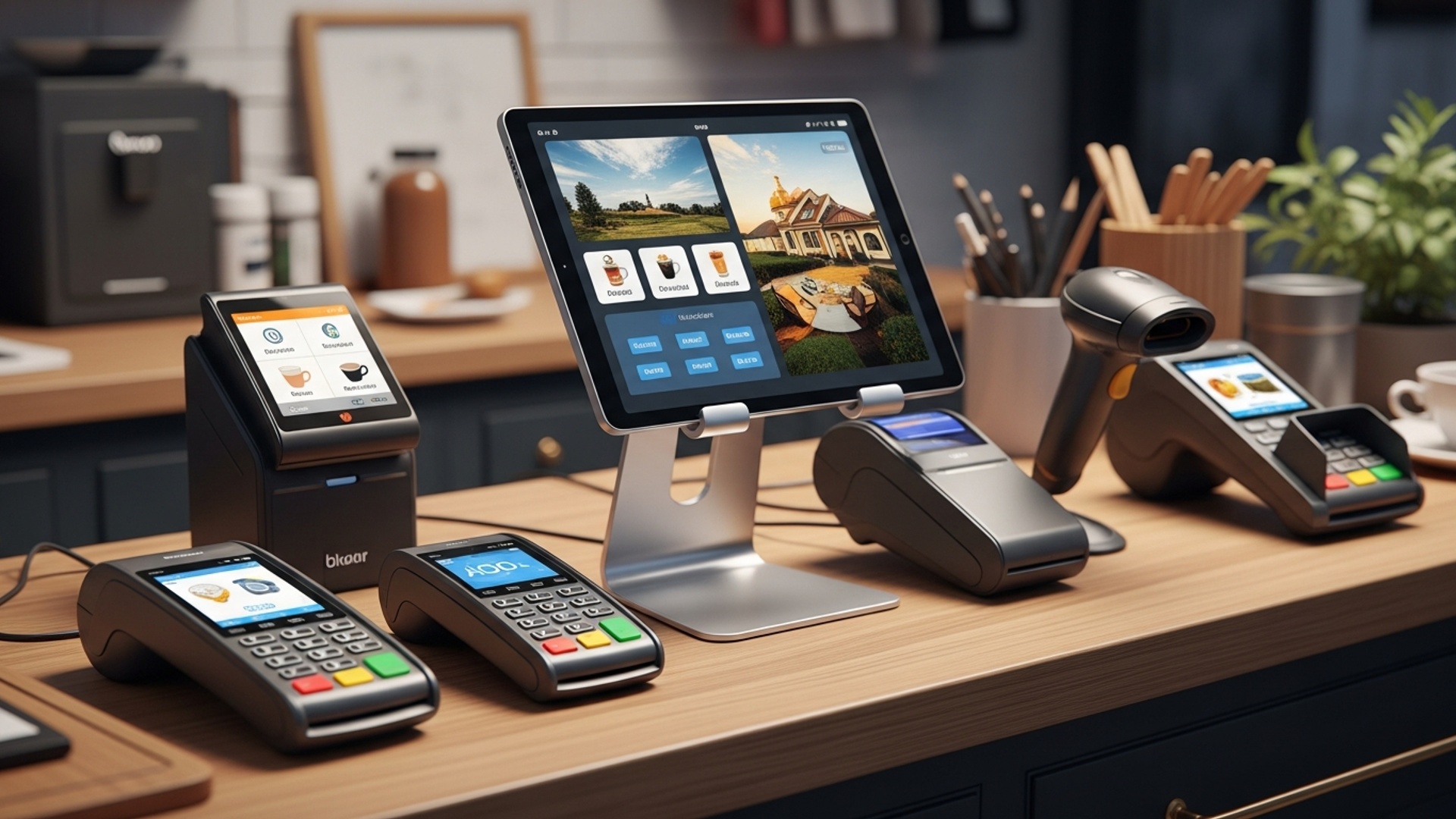
Understanding the Core Components of POS Hardware for Small Businesses
In today’s fast-paced retail and service environment, the right Point of Sale (POS) system is more than just a cash register—it’s the central nervous system of a small business. While the software provides the brains, the hardware provides the brawn, enabling seamless transactions, efficient inventory management. an enhanced customer experience. For any small business looking to streamline operations and boost sales, investing in the best POS hardware for small business is a critical step. This guide will delve into the top 10 essential POS hardware options, explaining their functions, benefits. what to look for, ensuring you make informed decisions that drive growth.
1. Payment Terminals: The Heart of Transactions
Payment terminals are arguably the most crucial piece of POS hardware, directly handling customer payments. Modern terminals support a variety of payment methods, catering to consumer preferences and security standards.
- EMV Card Readers
- NFC/Contactless Readers
- Mobile POS (mPOS) Devices
These readers process chip cards, offering superior security against fraud compared to traditional magnetic stripe readers. EMV (Europay, MasterCard. Visa) compliance is non-negotiable for businesses to avoid liability for fraudulent transactions.
Near Field Communication (NFC) technology enables contactless payments via mobile wallets (like Apple Pay, Google Pay) and tap-to-pay credit cards. This offers speed and convenience, significantly reducing transaction times.
Often small, handheld devices or card readers that attach to smartphones/tablets, mPOS solutions are ideal for businesses on the go, pop-up shops, or for line-busting in busy retail environments. They provide flexibility and portability.
When selecting payment terminals, consider durability, battery life (for wireless options). integration capabilities with your chosen POS software.
| Terminal Type | Key Benefit | Ideal Use Case | Considerations |
|---|---|---|---|
| Traditional Countertop EMV/NFC | Robust, secure, high transaction volume | Fixed retail locations, restaurants | Requires counter space, power outlet |
| Wireless EMV/NFC | Portability, tableside payments | Restaurants, cafes, outdoor markets | Battery life, Wi-Fi/cellular connectivity |
| mPOS (Smartphone/Tablet Reader) | Maximum flexibility, low cost entry | Mobile services, pop-up shops, small boutiques | Reliance on host device, potential for lower durability |
2. Receipt Printers: Physical Proof and Branding
While digital receipts are gaining popularity, physical receipts remain a vital part of many transactions, offering customers a tangible record and a touchpoint for branding.
- Thermal Printers
- Impact Printers
- Wireless vs. Wired
The most common type, these printers use heat to create an image on special thermal paper. They are fast, quiet. require no ink, making them low maintenance.
Also known as dot matrix printers, these use an ink ribbon and pins to strike the paper. They are slower and louder but are essential for printing multi-part forms (e. g. , kitchen tickets that need to be duplicated) and are more durable in harsh environments.
Ethernet and USB connections are standard for wired printers. Bluetooth or Wi-Fi printers offer greater flexibility in placement, especially beneficial for mPOS setups or food trucks.
For a busy coffee shop, a fast thermal printer is ideal. In contrast, a restaurant might opt for impact printers in the kitchen for durability and multi-part order printing.
3. Cash Drawers: Secure Cash Management
Even in an increasingly cashless society, cash remains a significant payment method for many small businesses. A secure cash drawer is essential for managing cash transactions efficiently and safely.
- Integration with POS
- Types and Features
Modern cash drawers integrate directly with POS software, automatically opening after a cash sale is completed. This automation reduces errors and speeds up the checkout process.
Look for sturdy construction (steel is common), multiple compartments for different denominations. a secure locking mechanism. Some drawers offer options for manual key override or emergency release.
For businesses handling a fair amount of cash, such as a local bakery or a convenience store, a robust, integrated cash drawer is fundamental to daily operations and end-of-day reconciliation.
4. Barcode Scanners: Speeding Up Sales and Inventory
Barcode scanners are indispensable for retail businesses, significantly accelerating checkout times and improving inventory accuracy. They read product barcodes and transmit the details to the POS system, pulling up product details and prices instantly.
- 2D Imagers vs. Laser Scanners
- Wired vs. Wireless
Laser scanners are cost-effective and efficient for reading traditional 1D barcodes. 2D imagers, But, can read both 1D and 2D (QR codes) barcodes, including those on mobile screens, making them more versatile for loyalty programs or digital coupons.
Wired scanners are typically more affordable and don’t require battery management. Wireless (Bluetooth) scanners offer freedom of movement, beneficial for scanning large items or inventory in storage areas.
A boutique clothing store, for instance, could use a wireless 2D imager to quickly scan items at the counter, or even on the sales floor for inventory checks, making it a critical component of the best POS hardware for small business in retail.
5. Customer-Facing Displays: Enhancing Transparency
Customer-facing displays (CFDs) are screens that show transaction details to the customer in real-time. This transparency builds trust and can enhance the overall customer experience.
- Benefits for Customer Experience
- Types of Displays
CFDs allow customers to verify items, prices. totals before payment, reducing disputes. They can also display promotional messages, loyalty points, or even advertisements.
From simple line displays showing just the price and item name to full-color touchscreen displays that allow customers to sign for payments or select tip amounts, the options vary.
A fast-casual restaurant might use a CFD that shows the order summary and then prompts the customer for a tip, directly integrating with the payment process and improving efficiency.
6. Tablet/Touchscreen POS Systems: Flexibility and Modernity
Many modern POS systems are built around tablets (like iPads or Android tablets) or dedicated touchscreen monitors. These offer a sleek, space-saving design and intuitive user interfaces.
- iPad POS, Android Tablets
- Benefits for Different Business Types
These consumer-grade devices, when paired with robust POS software, offer a cost-effective and highly flexible POS solution. They are easy to learn, update. often come with a wide range of accessories.
A cafe can use an iPad POS for quick order entry and payment processing. A boutique could use it for mobile checkout on the floor. Their compact size makes them perfect for businesses with limited counter space.
The flexibility of a tablet-based system is a significant advantage, allowing businesses to adapt their setup as needed. For example, a food truck can easily detach a tablet from its stand to take orders at the window.
7. Label Printers: Organization Beyond Sales
While not directly involved in sales transactions, label printers are invaluable for inventory management, asset tracking. creating professional-looking price tags or shelf labels.
- For Inventory, Shelves, Special Promotions
Label printers can print barcodes for products that don’t come with them, generate shelf labels with pricing and product data, or create labels for special promotions. This helps maintain accurate inventory records and ensures consistent pricing.
An artisan craft store might use a label printer to create unique price tags for handmade items, improving both efficiency and presentation. This helps maintain organization, which indirectly supports sales by ensuring accurate inventory data for the best POS hardware for small business.
8. Kitchen Display Systems (KDS): Essential for Food Service
For restaurants, cafes. any food service establishment, a Kitchen Display System (KDS) replaces traditional paper tickets, streamlining kitchen operations and improving order accuracy.
- Streamlining Orders
- Benefits for Restaurants
Orders placed at the POS are instantly displayed on screens in the kitchen, often categorized by station (e. g. , grill, fryer, prep). Chefs can see new orders, mark items as complete. manage cooking times more effectively.
KDS reduces errors from handwritten tickets, improves communication between front and back of house. can significantly decrease order fulfillment times. This leads to happier customers and more efficient staff.
A bustling pizzeria using a KDS can ensure that pizzas are prepared and cooked in the correct order, with modifications clearly displayed, leading to faster service and reduced food waste.
9. Weight Scales: Precision for Perishable Goods
Businesses that sell goods by weight, such as delis, bakeries, produce markets, or frozen yogurt shops, require an integrated weight scale to accurately price items.
- Integrated vs. Standalone
- Use Case: Deli, Produce Stores
Integrated scales connect directly to the POS system, allowing the weight to be automatically transferred to the transaction, eliminating manual input errors. Standalone scales require manual input of the weight into the POS.
A deli slicing meats and cheeses needs a reliable, integrated scale to ensure precise pricing and customer satisfaction. This ensures fair pricing for both the business and the customer.
10. Network Hardware: The Unsung Hero
While often overlooked, robust network hardware (routers, switches, Wi-Fi extenders) is the backbone that connects all your POS components, ensuring they communicate reliably and efficiently.
- Ensuring Reliable Connectivity
- Importance of a Robust Network
A stable internet connection and a well-configured local network are crucial for cloud-based POS systems, payment processing. internal communication between devices. Without it, even the best POS hardware for small business can grind to a halt.
Invest in business-grade network equipment rather than consumer-grade. This provides better performance, security. reliability, minimizing downtime due to connectivity issues. Consider a dedicated network for your POS system to isolate it from guest Wi-Fi.
For example, a busy cafe relying on a cloud POS and multiple payment terminals needs a high-speed, reliable router and potentially a mesh Wi-Fi system to ensure seamless operation throughout the day, preventing any transaction delays.
Conclusion
Ultimately, selecting the optimal POS hardware isn’t merely about acquiring a device; it’s a strategic investment in your small business’s future and its ability to convert transactions into sustained growth. We’ve explored diverse options, from robust all-in-one terminals perfect for a bustling café to sleek mobile readers ideal for a pop-up shop, each designed to streamline operations and enhance the customer journey. My personal advice is to meticulously assess your unique operational flow and customer interactions. For instance, consider how a speedy, integrated system that accepts contactless payments, a current trend, can significantly reduce checkout times during peak hours, just as I witnessed with a local bakery recently. Don’t shy away from prioritizing user-friendliness and scalability, as these factors directly impact your team’s efficiency and your business’s adaptability. Remember, the best hardware empowers you to focus on what you do best: serving your customers and boosting sales. Embrace this technology as a partner, ensuring seamless experiences and a competitive edge in today’s dynamic market. Your thoughtful choice today will lay the groundwork for remarkable success tomorrow.
More Articles
Choosing the Right POS Terminal Device 4 Key Factors to Consider
Why a POS Hardware and Software Bundle Boosts Small Business Efficiency
Top 6 Reasons to Upgrade Your Business POS Hardware Effectively
How to Choose the Best POS Machine for Retail Success
Why Every Retailer Needs a Reliable POS Terminal Device

FAQs
Why should a small business owner even care about their POS hardware?
Good POS hardware isn’t just about taking payments; it’s about making every transaction smooth and fast. This means happier customers, fewer errors. quicker checkouts, which all add up to a better experience and more sales. It’s the physical front-end of your sales process!
What’s the absolute minimum POS hardware I need to get started?
At a minimum, you’ll need a way to process payments (like a card reader or terminal), a device to run the POS software (a tablet, smartphone, or computer). often a cash drawer if you handle cash. A receipt printer is also pretty standard, though many businesses offer digital receipts now.
Can I use my existing tablet or phone for a POS system?
Absolutely! Many modern POS solutions are cloud-based and designed to run on tablets (like iPads or Android tablets) or even smartphones. You just pair them with a compatible card reader and potentially a portable printer, making them super flexible for mobile businesses or limited counter space.
How does having ‘better’ POS hardware actually help me sell more stuff?
Better hardware speeds up transactions, reduces lines. minimizes technical glitches, preventing lost sales due to frustration. Some systems also integrate with customer loyalty programs or allow for on-the-spot inventory checks, helping staff upsell or cross-sell more effectively. It makes the whole buying process smoother, encouraging customers to return.
Do I need special hardware to accept tap-to-pay or mobile wallet payments?
Yes, to accept contactless payments (like Apple Pay, Google Pay, or tap-to-pay credit cards), you’ll need a card reader or terminal that supports NFC (Near Field Communication) technology. This is becoming a standard feature and is highly recommended for customer convenience and hygiene.
Is investing in good POS hardware going to break my small business budget?
Not necessarily! While high-end systems can be pricey, there are many excellent, affordable options designed specifically for small businesses. Many POS providers offer bundles that include essential hardware at a reasonable cost. some even allow you to lease hardware or pay monthly. It’s an investment that often pays for itself by improving efficiency and sales.
What should I keep in mind when picking out new POS hardware for my business?
Think about your business type (retail, restaurant, service), your budget. how much space you have. Consider ease of use, compatibility with your chosen POS software, security features. if it supports future growth (like adding more terminals or going mobile). Also, check what kind of customer support is available for the hardware.