
In today’s hyper-competitive market, your operational efficiency and customer experience are critically tied to your POS hardware. Outdated POS machine systems, often slow and lacking modern functionalities, create significant bottlenecks, from manual inventory reconciliation to frustratingly slow transaction times. The rapid evolution of payment technologies, including EMV chip readers, NFC contactless payments. robust cloud-based integrations, demands a fundamental shift. Upgrading your POS hardware isn’t merely a maintenance task; it’s a strategic investment that unlocks real-time data analytics, enhances security against fraud. delivers the seamless, omnichannel experience modern consumers expect, ensuring your business stays agile and profitable.
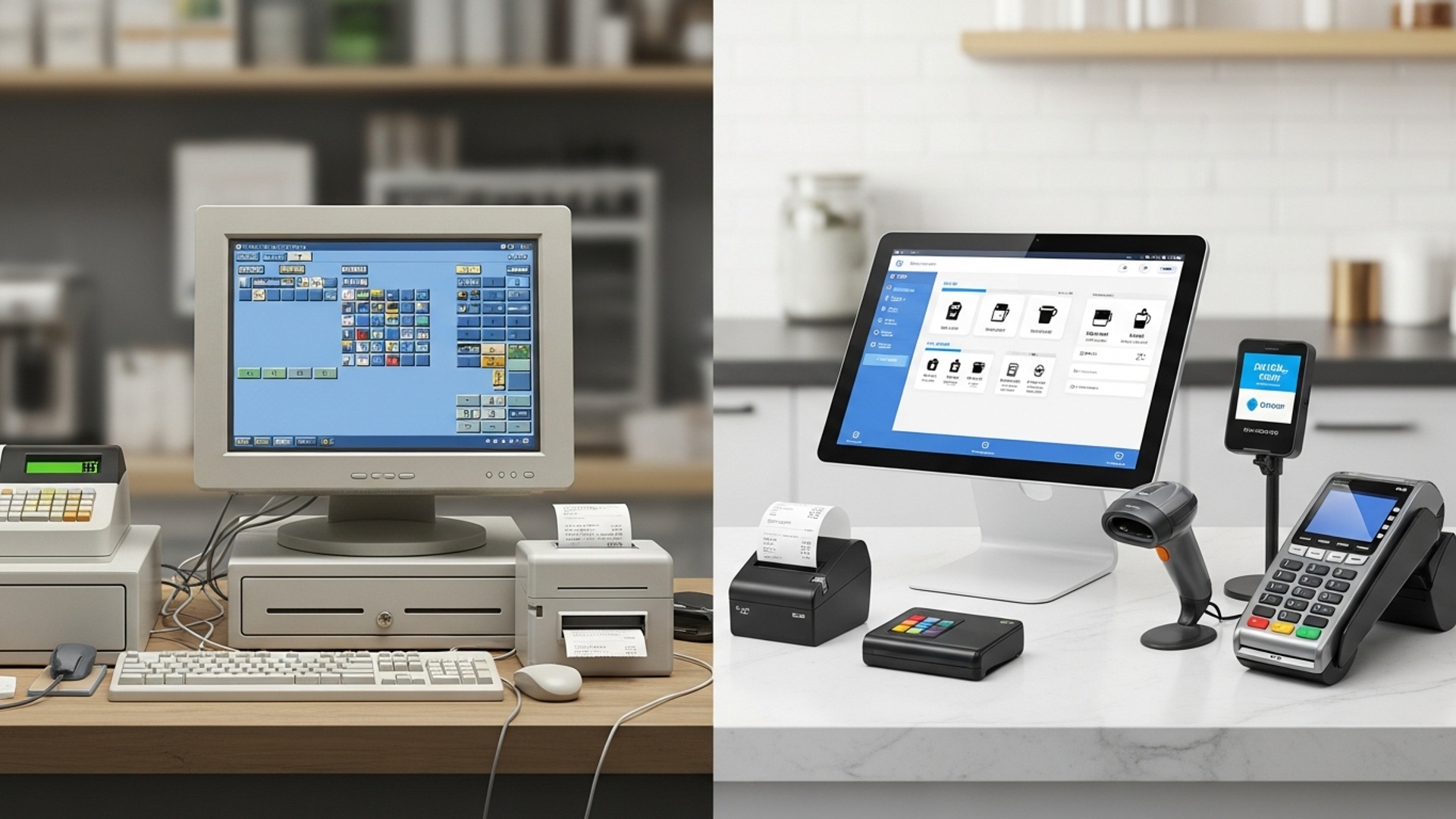
Streamlining Operations with Enhanced Efficiency and Speed
In today’s fast-paced retail and hospitality environments, every second counts. Outdated POS hardware can significantly bottleneck your operations, leading to slower transaction times, longer queues. frustrated customers. Upgrading to modern point-of-sale systems, which include high-speed processors, responsive touchscreens. efficient payment terminals, dramatically improves the speed and flow of your business.
Consider a bustling coffee shop during peak hours. An old system might take 15-20 seconds per transaction due to slow processing and manual entry errors. A new system, equipped with an intuitive interface and integrated payment processing, can cut that down to 5-7 seconds. This seemingly small difference aggregates over hundreds of transactions daily, freeing up staff to focus on customer service rather than wrestling with clunky machines. A real-world example comes from a small boutique that saw a 30% reduction in checkout times after replacing their legacy system with a tablet-based POS, featuring a faster barcode scanner and integrated receipt printer. This not only pleased customers but also allowed staff to serve more patrons per hour.
The core components contributing to this efficiency include:
- Faster Processors
- Solid-State Drives (SSDs)
- High-Speed Peripherals
- Integrated Payment Terminals
Modern CPUs handle complex software and multiple tasks simultaneously without lag.
These replace traditional hard drives, drastically reducing boot times and application loading speeds.
Upgraded barcode scanners read codes instantly. thermal receipt printers churn out receipts in less than a second.
Seamlessly process credit cards, debit cards. mobile payments (NFC) without manual data entry or switching between devices.
The combined effect is a smoother, quicker checkout experience, directly impacting your bottom line through increased sales volume and improved customer satisfaction.
Elevating Customer Experience and Boosting Loyalty
Customers today expect convenience, speed. a personalized touch. Your POS hardware is often the final point of interaction, making it a critical component of the overall customer experience. Outdated systems limit your ability to offer modern conveniences, whereas an upgrade can transform how customers perceive your business and foster loyalty.
Modern POS systems support a wider array of payment options, including EMV chip cards, contactless (NFC) payments like Apple Pay and Google Pay. even QR code payments. This flexibility caters to diverse customer preferences and reduces transaction friction. Moreover, upgraded hardware often integrates seamlessly with customer relationship management (CRM) and loyalty programs. This allows for instant point accumulation, redemption of rewards. personalized offers directly at the point of sale, without requiring staff to manually input data or switch to a separate system.
For instance, a restaurant chain implemented new tablet-based POS terminals that allowed servers to take orders tableside, split bills easily. even process payments right at the table. This reduced wait times for checks and payments, leading to a noticeable uptick in positive customer reviews and repeat business. The ability to quickly look up a customer’s purchase history or loyalty status during checkout provides an opportunity for personalized recommendations, further enhancing their experience.
Key elements that enhance customer experience include:
- Diversified Payment Options
- Integrated Loyalty Programs
- Mobile and Tablet POS
- Customer-Facing Displays
Supporting all major payment methods, including digital wallets.
Automatic tracking and redemption of points or rewards.
Enabling staff to serve customers anywhere on the premises, reducing queues.
Transparently showing itemized purchases and payment totals, building trust.
By investing in new POS hardware, you’re not just buying equipment; you’re investing in a superior customer journey that drives repeat business and positive word-of-mouth.
Fortifying Security and Ensuring Compliance
Data breaches are a constant threat. businesses handling sensitive customer payment insights are prime targets. Upgrading your POS hardware is a fundamental step in fortifying your security posture and ensuring compliance with industry standards like PCI Data Security Standard (PCI DSS).
Older POS systems often lack the advanced encryption, tokenization. anti-malware protections found in newer models. They can also be more vulnerable to physical tampering or software exploits. Modern payment terminals are designed with enhanced security features, including end-to-end encryption (E2EE) and point-to-point encryption (P2PE), which protect cardholder data from the moment it’s swiped or tapped until it reaches the payment processor. This significantly reduces your liability in the event of a breach.
A recent case study involved a small retail chain that experienced a data breach due to unpatched, outdated card readers. The cost of remediation, fines. reputation damage far exceeded the cost of upgrading their entire POS system. By transitioning to new EMV-compliant terminals and integrated POS hardware, they not only met PCI DSS requirements but also gained peace of mind knowing their customers’ data was better protected. Moreover, many modern POS systems come with built-in fraud detection capabilities and regular software updates to address emerging threats.
Critical security features in new POS hardware include:
- EMV Chip Card Readers
- End-to-End Encryption (E2EE) / Point-to-Point Encryption (P2PE)
- Tokenization
- Secure Operating Systems
- Tamper Detection
Significantly reduce fraud by creating unique transaction codes.
Scrambles data immediately upon entry, making it unreadable to unauthorized parties.
Replaces sensitive card data with a unique, non-sensitive identifier.
Newer systems run on more secure and regularly updated operating systems, less prone to vulnerabilities.
Physical security features to prevent unauthorized access or modification of the device.
Neglecting POS security is a gamble no business can afford. An effective hardware upgrade is a proactive measure that safeguards your business and your customers.
Unlocking Advanced Inventory and Sales Management Capabilities
Effective inventory management is the backbone of a profitable business, preventing stockouts, reducing waste. optimizing purchasing. Legacy POS hardware often offers limited or clunky inventory features, making real-time tracking and comprehensive sales analysis challenging. Upgrading unlocks a new world of data-driven decision-making.
Modern POS systems integrate seamlessly with robust inventory management software, providing real-time data on stock levels across multiple locations. This means accurate reorder points, automated purchase orders. reduced manual counting errors. Beyond inventory, these systems offer powerful sales analytics, allowing you to track trends, identify best-selling products, grasp peak sales times. evaluate staff performance. This level of insight was once only available to large enterprises but is now accessible to businesses of all sizes.
Consider a multi-location bookstore struggling with inventory discrepancies and lost sales due to stockouts. After upgrading to an integrated POS system with centralized inventory management, they could track every book in real-time. This allowed them to transfer stock between stores efficiently, optimize ordering from publishers. leverage sales data to better predict demand for specific genres, ultimately reducing dead stock by 20% and increasing overall sales by 15%.
Key benefits for inventory and sales management include:
- Real-Time Inventory Tracking
- Automated Purchasing
- Detailed Sales Analytics
- Multi-Location Synchronization
- Waste Reduction
Know exactly what you have in stock, where it is. when to reorder.
Set thresholds for automatic reordering, saving time and preventing stockouts.
Generate reports on sales trends, product performance. employee productivity.
Manage inventory and sales data across all your business locations from a single dashboard.
Optimize stock levels for perishable goods, reducing spoilage and markdown losses.
By effectively upgrading your POS hardware, you gain the tools to operate smarter, not just harder, transforming raw data into actionable business intelligence.
Ensuring Scalability and Future-Proofing Your Business
Your business isn’t static; it grows, adapts. embraces new technologies. Investing in new POS hardware isn’t just about solving current problems; it’s about building a foundation that can scale with your ambitions and remain relevant in an ever-evolving market. Older systems often hit a wall when it comes to integrating new features, expanding locations, or adopting emerging payment technologies.
Modern POS systems are designed with modularity and flexibility in mind. They often leverage cloud-based software, meaning your data and applications are accessible from anywhere and can be easily updated without significant hardware changes. This allows for seamless expansion – adding a new terminal or even a new store location becomes a straightforward process. Moreover, newer hardware is built to support future innovations, such as biometric authentication, advanced analytics, or integration with augmented reality applications, ensuring your investment remains valuable for years to come.
A rapidly expanding food truck business provides a compelling example. Initially, they used a basic, standalone card reader. As they added more trucks and diversified their menu, they quickly realized the limitations. Upgrading to a mobile tablet POS system allowed them to easily add new menu items, track sales by truck. integrate with online ordering platforms. This scalable solution meant they didn’t have to overhaul their entire setup with each new expansion, saving significant time and money.
Aspects contributing to scalability and future-proofing:
- Modular Design
- Cloud-Based Integration
- API Capabilities
- Support for Emerging Technologies
- Increased Processing Power
Easily add or remove peripherals (scanners, printers, payment terminals) as needed.
Centralized data and software updates, accessible from any location.
Open APIs allow integration with a wide range of third-party applications (accounting, CRM, e-commerce).
Designed to be compatible with future payment methods and operational tools.
Handles more complex software and larger data volumes as your business grows.
Choosing the right POS hardware today means less friction and greater agility for your business tomorrow, allowing you to seize new opportunities without technological constraints.
Boosting Reliability and Minimizing Downtime
Nothing grinds business to a halt faster than a malfunctioning point-of-sale system. Older POS hardware is inherently more prone to breakdowns, software glitches. compatibility issues, leading to frustrating downtime that costs you sales and damages your reputation. Upgrading is a direct investment in operational stability and peace of mind.
Newer POS systems are built with more robust components, undergo rigorous testing. often come with better manufacturer warranties and support plans. They are designed for continuous operation in demanding environments. Moreover, the move towards cloud-based POS software means that even if a piece of local hardware fails, your core data and system logic remain safe and accessible, allowing for quicker recovery. Integrated diagnostics and remote support capabilities in modern systems also mean that issues can often be identified and resolved faster, sometimes even before they fully impact operations.
Consider a busy grocery store where an aging cash register frequently froze, requiring reboots and causing long lines. Each incident cost them not only immediate sales but also customer goodwill. After upgrading to a robust, industrial-grade POS terminal, their uptime dramatically improved. when a minor issue did arise, the manufacturer’s enhanced support team was able to troubleshoot and resolve it remotely within minutes. This shift from reactive crisis management to proactive stability is invaluable.
Benefits for reliability and uptime include:
- Durable Components
- Improved Software Stability
- Enhanced Manufacturer Support
- Redundancy and Cloud Backup
- Reduced Maintenance Costs
Designed for heavy use and longevity, reducing the likelihood of hardware failure.
Modern operating systems and POS applications are more stable and less prone to crashes.
Newer hardware typically comes with better warranties and accessible technical support.
Data is often backed up to the cloud, protecting against local hardware failures.
Fewer breakdowns mean less expenditure on repairs and technician visits.
Minimizing downtime is not just about avoiding losses; it’s about maintaining a seamless operation that instills confidence in both your staff and your customers. Upgrading your POS hardware is a strategic move to ensure consistent, reliable service.
Conclusion
Upgrading your business POS hardware is far more than a simple transaction; it’s a pivotal move towards enhanced operational efficiency and superior customer experiences. As we’ve explored, the benefits range from significantly faster checkouts, thanks to integrated barcode scanners and responsive touchscreens, to robust security features protecting sensitive data in an era of increasing cyber threats. My own experience with adopting a cloud-connected system for a small boutique revealed an immediate uplift in inventory accuracy and reduced manual errors, genuinely freeing up staff to focus on customer engagement. Don’t wait until your current setup fails. Start by assessing your specific needs and aligning them with modern solutions that offer capabilities like contactless payment processing, a key trend amplified by recent global shifts. Think about how a seamless customer journey, driven by reliable hardware, translates into loyalty. It’s about building a resilient and future-ready business. Take that proactive step; your customers and your bottom line will undoubtedly thank you for it.
More Articles
How to Choose the Best POS Machine for Retail Success
7 Essential Features to Look For in Your Next POS Terminal Device
Best POS Hardware for Small Businesses to Boost Sales
Essential POS Hardware Every Modern Store Needs to Succeed
4 Key Benefits of Choosing a POS Hardware and Software Bundle

FAQs
Why bother upgrading my business’s POS hardware?
Upgrading your POS hardware isn’t just about getting shiny new tech; it’s about boosting efficiency, improving customer service. making your business more secure. Old systems often slow down transactions, lack modern features. can even pose security risks, all of which can hurt your bottom line.
My current POS works okay. Is it really worth the investment to get new equipment?
While your old system might still function, newer hardware offers significant returns on investment. Think faster transaction speeds, less downtime, better integration with other business tools. the ability to accept a wider range of payment methods. These benefits can lead to happier customers and more sales.
How can new POS hardware make my customers happier?
Modern POS hardware significantly improves the customer experience. Faster checkout times mean shorter lines and less frustration. Newer systems often support diverse payment options like contactless payments and mobile wallets, offering convenience. Plus, they can integrate with loyalty programs for a more personalized shopping journey.
What are the security risks of keeping old POS hardware?
Older POS systems are often more vulnerable to cyber threats and data breaches. They might not be able to run the latest security software, leaving customer payment data exposed. Upgrading ensures you have up-to-date security features and helps you stay compliant with industry standards, protecting both your business and your customers.
Can updated hardware help me manage my inventory better?
Absolutely! Modern POS hardware is designed to integrate seamlessly with advanced inventory management software. This means real-time stock updates, automated reordering. better insights into your best-selling products. It cuts down on manual errors and helps you keep shelves stocked without overstocking.
What if my business grows a lot? Will new POS hardware handle it?
Scalability is a key benefit of modern POS hardware. Old systems can struggle with increased transaction volumes, adding new terminals, or expanding to multiple locations. New hardware is built to grow with your business, easily accommodating more data, users. locations without compromising performance.
What about system reliability? Do newer systems actually break down less often?
Generally, yes. Newer hardware is built with more robust components and benefits from contemporary engineering standards, leading to greater reliability and less frequent breakdowns. This means less frustrating downtime for your business and fewer missed sales opportunities.